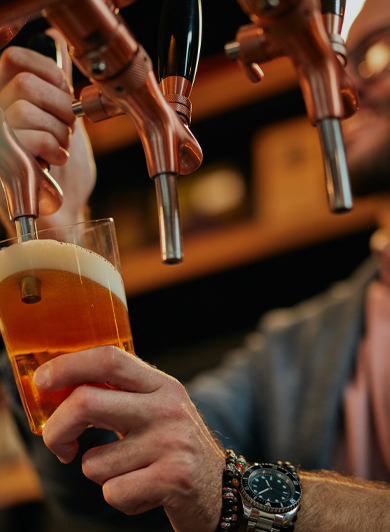

Bottoms up draft beer systems use a different dispensing method from a traditional beer tap. Instead of filling a glass from the top, the system fills a specially designed cup or container from the bottom through a valve. The container is placed over a dispensing fitting, beer flows upward, and the valve closes when the cup is lifted.
This approach can create a distinctive service experience for bars, restaurants, event spaces, and other commercial venues. It can also change how a beverage program is planned, because the cups, dispensing equipment, keg storage, beverage lines, gas supply, refrigeration, and service procedures all need to work together. For a Manhattan business considering this format, a complete draft beer system assessment is an important first step.
How a Bottoms Up Draft Beer System Works
A bottoms up system typically relies on a specialized cup with a small opening or valve in its base. The cup is positioned on the dispenser, and a magnetic or mechanical connection allows beer to enter from below. Once the cup reaches the desired fill level, the customer or server lifts it away, and the valve closes.
The visible dispensing point is only one part of the setup. Behind it, the system may include refrigerated kegs, beer lines, couplers, gas equipment, regulators, fittings, and control components. Each part affects the way beer reaches the cup. Temperature, pressure, line routing, equipment placement, and cleaning practices all matter when planning a reliable commercial installation.
Because bottoms up service uses purpose-built dispensing equipment, it should not be treated as a simple replacement for a standard faucet. The system needs to be matched to the venue’s available space, service style, beer volume, keg configuration, and operating routines.
Where Bottoms Up Systems May Be a Good Fit
Bottoms up dispensing can be considered by businesses that want a recognizable draft beer presentation or a different way to serve customers. Potential applications include:
- Bars and restaurants: A bottoms up station can be incorporated into a broader draft beer program where the service format fits the menu and customer experience.
- Sports-focused venues: Fast, visually distinctive beer service may complement locations where customers gather for games and other live events.
- Event and entertainment spaces: The format may be useful when a venue wants a dedicated beer dispensing area for scheduled events or high-traffic occasions.
- Taprooms and beverage-focused concepts: A specialized system can be evaluated alongside traditional draft towers and other dispensing options.
- Commercial venues with limited service areas: A carefully planned dispensing point may help organize service where the available footprint is important.
Not every beverage program needs this type of equipment. The right choice depends on the venue’s goals, the beers being served, the expected volume, staff workflow, cup requirements, available refrigeration, and the preferred customer experience.
Key Components of a Complete System
A complete bottoms up draft beer system is more than the dispensing station. Planning normally involves reviewing the following components:
Dispensing equipment
The dispensing unit must be compatible with the selected cups and the intended service layout. Its location should support safe, efficient access for staff while leaving room for cleaning, inspection, and routine maintenance.
Specialized cups and valves
Bottom-fill service requires compatible cups or containers. The cup design, valve, and dispenser need to work together. Operators should also establish procedures for handling, washing, storing, and replacing these items as needed.
Beer lines and couplers
Beer lines carry product from the keg to the dispensing equipment. Their length, routing, fittings, and connections should be considered during system design. Correct couplers are also necessary for the keg types being used.
Refrigeration
Beer must be kept at an appropriate temperature throughout storage and dispensing. The refrigeration approach may depend on the venue layout, keg capacity, distance to the service point, and equipment available on site. Commercial refrigeration is one of the areas that should be reviewed when planning a complete beverage setup.
Gas equipment
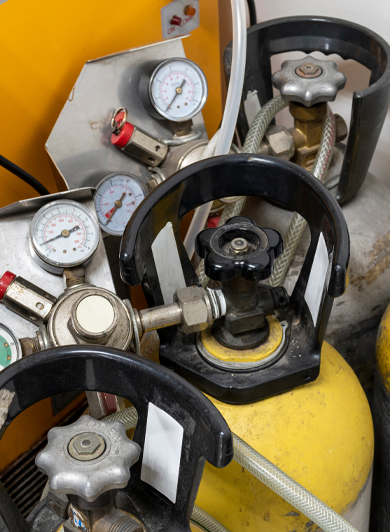
Draft beer systems use beverage gas to move beer from the keg through the lines. Regulators, gas lines, and connections need to be selected and arranged for the system design. Perfect Pour Draft Inc also provides CO₂, N₂, and beverage gas distribution, allowing gas requirements to be included in the broader beverage equipment discussion.
Cleaning and maintenance access
Beer lines and dispensing components require regular cleaning and inspection. A system that is difficult to access can make routine care more complicated. Service access should be considered before equipment is permanently positioned.
Benefits and Operational Considerations
The main appeal of a bottoms up draft beer system is the service experience. Filling from the base creates a noticeable presentation and may help a venue offer something different from a conventional top-pour tap. Depending on the operation, the format may also support a dedicated service station or a streamlined method for handling specific beer offerings.
There are also practical considerations. Staff need to understand how to position the cup, start and stop the fill, identify problems, and keep the dispensing area clean. The business may need to purchase compatible cups and plan for storage and replenishment. Operators should also consider how the bottoms up station will work alongside other beverage equipment, food service areas, customer queues, and point-of-sale procedures.
Equipment does not eliminate the need for good draft management. Temperature control, appropriate gas pressure, clean lines, sound connections, and proper keg handling remain important. A complete system should be designed around the full operating process rather than the dispenser alone.
Planning a Bottoms Up System in Manhattan
Commercial spaces in Manhattan can vary significantly in layout, access, storage capacity, and service demands. Some businesses may have a compact bar with limited back-of-house space, while others may need to coordinate beverage equipment across multiple service areas. A site review helps identify the practical requirements before installation begins.
During planning, a beverage equipment professional may review:
- The location of kegs, refrigeration, gas supplies, and dispensing points
- The number and types of beers the business expects to serve
- The distance between storage and the dispensing station
- Available power, ventilation, drainage, and service access
- Staff workflow and customer-facing service needs
- Cleaning access and ongoing maintenance requirements
- How the new equipment will connect with an existing draft beer setup
These details help determine whether the business needs a new system, a modification to existing equipment, or a combination of standard and bottoms up dispensing. They also help clarify which components need to be installed, supplied, maintained, or serviced over time.
What the Installation Process May Include
1. Review the beverage program
The process begins with a discussion of the beers, service volume, venue type, customer experience, and available space. This establishes what the system needs to accomplish.
2. Evaluate the site
The installation area, keg storage, refrigeration, gas location, line path, and access points should be reviewed. Site conditions help shape the equipment layout and installation approach.
3. Select compatible equipment
The dispenser, cups, couplers, lines, refrigeration, gas components, and related fittings should be matched as a system. Compatibility is especially important when integrating bottoms up equipment with an existing draft beer program.
4. Install and connect the system
Installation may involve positioning equipment, routing beverage and gas lines, connecting refrigeration, and setting up the dispensing point. The finished arrangement should support safe operation and practical access for service.
5. Test the setup
Before regular service begins, the system should be checked for connections, temperature, flow, pressure, and dispensing operation. Any adjustments should be addressed before the equipment is placed into normal use.
6. Establish a service routine
Staff should know how to operate the dispenser and recognize common issues. The business should also maintain a schedule for beer line cleaning, equipment inspection, and repairs when necessary. Ongoing maintenance helps protect the performance of the complete draft beer system.
Why Complete System Planning Matters
A bottoms up dispenser can attract attention, but the surrounding equipment determines how well it fits into day-to-day operations. Refrigeration, gas delivery, beer lines, cleaning, and maintenance all contribute to the overall system. Addressing these elements together can make it easier to identify space constraints, compatibility concerns, and service requirements before they become operational problems.
Perfect Pour Draft Inc designs, installs, and maintains draft beer, soda, and gas systems for bars, restaurants, and commercial venues. Its services include complete draft beer systems, installation and equipment, beer line cleaning, draft beer repair and maintenance, refrigeration, and CO₂, N₂, and beverage gas distribution. For a business in Manhattan, that combination can provide one point of contact for evaluating a bottoms up system and the supporting equipment around it.
Next Steps for a Manhattan Business
If you are considering bottoms up draft beer systems, start by defining the service experience you want to create and the beers you expect to serve. Then review the available space, keg storage, refrigeration, gas supply, line routing, cup handling, and cleaning requirements. A professional system review can help determine whether bottoms up dispensing is appropriate for your venue and how it can be incorporated into a complete draft beer setup.
To discuss a complete draft beer system for your Manhattan business, contact Perfect Pour Draft Inc at 1-914-447-4926 or visit perfectpourdraft.com.