A soda fountain may look like a simple dispenser, but the system behind it combines water, carbon dioxide, syrup, refrigeration, tubing, pumps, and dispensing hardware. When these parts are correctly matched and maintained, a fountain can serve carbonated beverages quickly and consistently in a restaurant, bar, concession operation, or other commercial venue.
So, how does a soda fountain work? In basic terms, the system supplies chilled water and flavored syrup to a dispenser. Carbon dioxide is added to the water to create carbonation, and the dispenser combines the ingredients in the correct proportion as the beverage is poured. The details vary by equipment design, but the operating principles are similar across many commercial soda fountain systems.
The Main Parts of a Soda Fountain System
A commercial soda fountain is made up of several connected components. Each one has a specific role, and a problem in one part can affect the taste, temperature, carbonation, or flow at the dispenser.
- Water supply: Provides the base liquid used for the beverage.
- Water filtration: Helps reduce sediment, chlorine, and other elements that may affect flavor or equipment performance.
- Carbonator: Combines water and carbon dioxide under pressure to produce carbonated water.
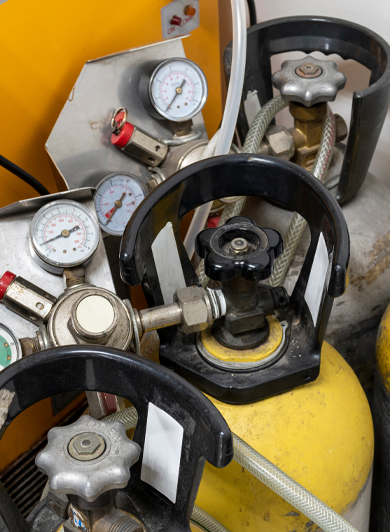
- CO2 supply: Provides the gas used for carbonation and, in some system designs, for moving syrup from its container.
- Syrup containers: Bag-in-box packages or other approved containers hold the concentrated beverage syrup.
- Syrup pumps: Move syrup from the container toward the dispensing point.
- Refrigeration or cooling equipment: Chills water and sometimes the product lines before dispensing.
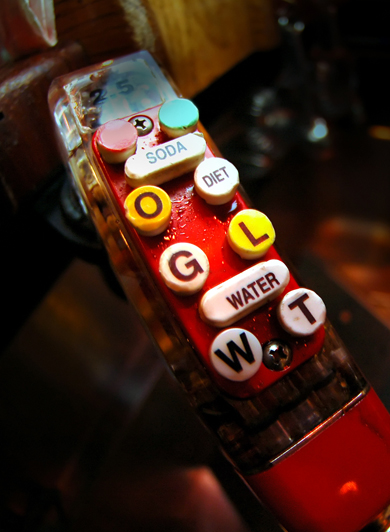
- Dispensing tower, soda gun, or fountain valve: Delivers the selected beverage when an operator presses a button or valve.
- Product tubing and fittings: Carry water, syrup, and gas between the system components.
The system may also include an ice and beverage dispenser, cup station, drain area, regulators, check valves, shutoff valves, and control equipment. The exact arrangement depends on the type of fountain, the number of beverages served, the available space, and the operating demands of the venue.
Step 1: Water Enters the System
The process begins with a connected water supply. Water passes through filtration equipment when filtration is included in the system design. Filtered water provides a more consistent base for beverages and can help protect components from sediment and certain water-quality issues.
Water quality matters because the water makes up much of the finished drink. Mineral content, odors, or off-tastes can be noticeable even when the syrup and carbonation settings are correct. Filters must be selected for the water conditions and beverage equipment, then replaced according to the equipment requirements and operating conditions.
Step 2: Water Is Chilled
Cold water is important for both beverage quality and carbonation. Many commercial systems use a refrigeration unit or chilled-water circuit to lower the water temperature before it reaches the dispenser. Some setups use an ice bank, while others rely on a chilled-water system or another refrigeration arrangement.
Colder water generally accepts carbon dioxide more effectively than warm water. If the water is too warm, the beverage may seem less carbonated, foam excessively during dispensing, or pour inconsistently. Cooling capacity should be considered alongside the expected serving volume, ambient temperature, and length of the product lines.
Step 3: Carbon Dioxide Is Added
Carbon dioxide, commonly called CO2, gives many fountain beverages their carbonation. The gas comes from a connected beverage-gas supply and passes through a regulator that controls pressure. The carbonator then brings the gas and chilled water together under controlled conditions.
Inside the carbonator, water is exposed to CO2 at pressure so the gas dissolves into the water. This creates carbonated water, sometimes called soda water or sparkling water. The pressure and temperature need to stay within the equipment’s operating requirements. A regulator setting that is too low may contribute to weak carbonation, while incorrect pressure elsewhere in the system can create other flow or dispensing problems.
CO2 is not the same as syrup. It provides carbonation and pressure, while the syrup supplies the flavor and sweetener. Both must reach the dispensing equipment through the correct connections.
Step 4: Syrup Moves From the Container
Flavor syrup is commonly stored in a bag-in-box container. The container holds concentrated syrup in a flexible inner bag inside a protective box. A connector attaches the bag to a syrup line, allowing the product to move toward the dispenser.
Depending on the system, syrup may be moved by a pump powered by water pressure, CO2, compressed air, or another approved method. The syrup travels through dedicated tubing rather than mixing with the carbonated water until it reaches the dispensing valve. Each beverage flavor has its own product connection and line.
Bag-in-box packaging is useful in commercial environments because it can store a substantial amount of product in a relatively compact format. It also allows a system to serve several beverage choices from one dispensing station. Containers still need to be connected correctly, kept within their handling requirements, and changed before they are completely empty to avoid drawing air into the product line.
Step 5: The Dispenser Combines the Ingredients
At the soda gun or fountain valve, the system brings together carbonated water and syrup. Pressing a beverage button opens the appropriate valves. One path supplies the flavored syrup, and another supplies carbonated water. The two streams combine as they leave the dispenser and enter the cup.
The ratio between syrup and carbonated water is known as the beverage ratio. It is set through the dispensing equipment and should be checked during installation and service. If there is too much syrup, the beverage can taste overly sweet or strong. If there is too little syrup, it may taste weak or watery. A correct ratio supports consistent flavor from one serving to the next.
Some dispensing systems also include a separate water button for uncarbonated water. Other configurations may offer noncarbonated beverages, depending on the equipment and product connections.
Why Temperature, Pressure and Ratio Matter
A soda fountain works as a coordinated system. Temperature, pressure, and beverage ratio affect one another, so changing one setting without checking the others can create new problems.
- Temperature: Water and product that are too warm may produce excess foam or reduced carbonation.
- Gas pressure: Incorrect CO2 pressure can affect carbonation, syrup movement, and pour performance.
- Water pressure: Inadequate or excessive supply pressure may interfere with carbonator operation and dispensing.
- Ratio: An incorrect syrup-to-water setting changes the flavor and cost per serving.
- Line condition: Residue, restrictions, leaks, or damaged tubing can alter flow and taste.
When a drink does not pour correctly, replacing syrup alone may not solve the issue. The cause could be a regulator, filter, carbonator, refrigeration unit, connector, valve, or line. A system-wide inspection is often more useful than adjusting one component without checking the rest.
What Happens When a Soda Fountain Is Not Maintained?
Routine maintenance helps keep beverage systems sanitary, reliable, and consistent. Beverage lines can collect syrup residue or develop buildup over time, especially when cleaning schedules are missed. Dispensing nozzles and diffusers also come into direct contact with the beverage and require regular attention.
Cleaning procedures should follow the equipment and product requirements. They commonly involve flushing the lines, using an appropriate cleaning solution, rinsing thoroughly, and cleaning removable dispensing parts. Filters, syrup connectors, tubing, valves, regulators, and refrigeration components should also be inspected as part of ongoing service.
Common signs that a soda fountain may need attention include unusual taste, weak carbonation, excessive foam, slow flow, inconsistent serving volume, leaking connections, or a dispenser that does not deliver a selected flavor. These symptoms can have multiple causes, so troubleshooting should be performed carefully and safely.
How Soda Fountain Installation Is Planned
Proper installation begins with the beverage program rather than the dispenser alone. The system designer or installer may need to consider the number of beverage flavors, expected serving volume, available water and electrical connections, CO2 storage, syrup storage, refrigeration capacity, equipment clearances, and the distance between the storage area and dispensing point.
Long product runs may require careful planning to maintain appropriate temperature and flow. Connections must be identified clearly, and beverage lines should be routed to reduce unnecessary bends, heat exposure, and access problems. The installation should also leave enough room for changing syrup containers, replacing filters, cleaning components, and servicing the equipment.
For a business, the right system is not necessarily the largest system. It is the configuration that matches the menu, available space, expected demand, and service requirements. Soda fountain systems can be designed as part of a broader beverage setup, including soda guns, dispensing equipment, gas distribution, bag-in-box syrups, and refrigeration.
Understanding the Complete Beverage Process
In summary, a commercial soda fountain works through a sequence of connected steps:
- Water enters the system and may pass through filtration.
- The water is cooled by refrigeration or another chilling method.
- CO2 is added under pressure to create carbonated water.
- Syrup moves from a bag-in-box container through a dedicated product line.
- The dispenser opens the selected syrup and water valves.
- The ingredients combine at the dispensing point in the intended ratio.
- The finished beverage pours into the cup, often over ice.
Each part contributes to the final result. Good beverage quality depends not only on the syrup but also on water treatment, cooling, gas supply, pressure regulation, line cleanliness, equipment setup, and regular service.
Get Help With Soda Fountain Systems
Whether you are planning a new beverage station, replacing dispensing equipment, or addressing inconsistent performance, a properly designed system can make day-to-day operation easier to manage. Perfect Pour Draft Inc provides soda fountain systems, soda and gas systems, soda guns and dispensing equipment, bag-in-box syrup solutions, and soda system leasing and installation.
Planning a soda fountain system or need help with soda dispensing equipment? Contact Perfect Pour Draft Inc at 1-914-447-4926 or visit perfectpourdraft.com to discuss your setup.