Flavored syrups give restaurants, bars, cafés, entertainment venues, and other commercial businesses a practical way to serve consistent beverages from a centralized dispensing system. Instead of preparing every drink from separate bottles or pre-mixed containers, a bag-in-box setup stores syrup in a compact package and connects it to dispensing equipment designed to combine the syrup with water and, when applicable, carbonation.
For a business in Brooklyn, the right arrangement can make beverage service easier to organize while supporting a broad menu of drink options. The important question is not simply which flavored syrups to buy. It is how the syrup, bag-in-box equipment, water supply, gas components, dispensing point, and maintenance plan work together as one system.
What are flavored syrups?
Flavored syrups are concentrated beverage ingredients used to create the taste profile of a finished drink. Depending on the system and product, a syrup may be used for a carbonated fountain beverage, a noncarbonated drink, a specialty beverage, or another menu application. The syrup is dispensed in a measured flow and combined with other components at the point of service.
Because the syrup is concentrated, the finished beverage depends on the correct relationship between syrup and water. A change in that balance can affect taste, consistency, and customer experience. This is why a commercial syrup system should be set up and maintained with attention to the equipment manufacturer’s requirements and the product’s specifications.
How a bag-in-box syrup system works
A bag-in-box package contains syrup in a sealed inner bag protected by an outer box. The package connects to a syrup line through a fitting and connector. When a beverage is dispensed, the system draws syrup from the bag and moves it toward the dispensing point. The empty bag gradually collapses as the syrup is used, which allows the package to make efficient use of its contents.
A typical system may include several connected elements:
- Bag-in-box syrup packages and compatible connectors
- Syrup lines that carry product to the dispensing equipment
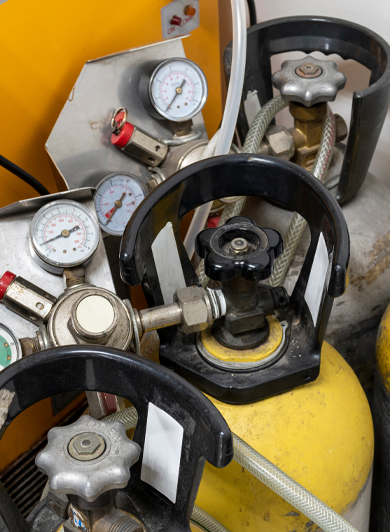
- Water lines and, for carbonated drinks, carbonation-related components
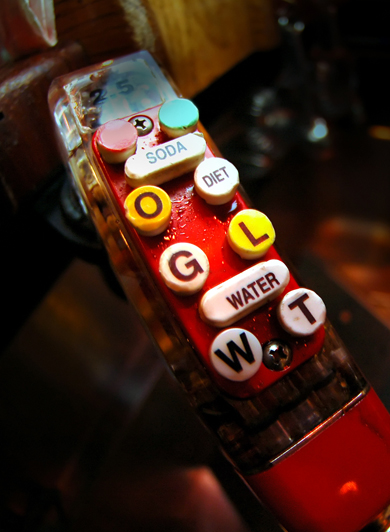
- A soda gun, fountain dispenser, or other approved dispensing point
- Regulators, fittings, and gas connections where the system requires them
Each component has a role. A syrup package cannot deliver a consistent drink if the line connection is incorrect, the dispensing equipment is not compatible, or the water and gas portions of the system are not operating properly.
Why businesses use bag-in-box flavored syrups
Bag-in-box syrups can support a more organized beverage program in several ways. The packages are designed for commercial dispensing, so a business can connect product to its equipment rather than repeatedly preparing individual drinks. This may help staff work from a consistent process during busy service periods.
The format can also make it easier to offer multiple beverage choices from one dispensing area. A business may be able to connect different syrup products to separate valves or dispensing points, depending on the equipment and the system design. That creates menu flexibility without requiring a separate ready-to-serve container for every option.
Another consideration is storage. Bag-in-box packages use a different storage format from rigid bottles and may be easier to arrange in a dedicated back-of-house area. Storage still needs to follow the product requirements, including appropriate handling, access, rotation, and protection from conditions that could affect the syrup or its packaging.
Choosing flavored syrups for a Brooklyn beverage program
The best syrup selection starts with the menu and the way customers order. A business that focuses on classic fountain beverages may need a different combination of products from a café or venue that serves specialty drinks. Before ordering, consider the following questions:
- Which beverages are core items on the menu?
- How many syrup varieties need to be available at the same time?
- Will the syrups be used with carbonated drinks, noncarbonated drinks, or both?
- Where will the bag-in-box packages be stored?
- How far will syrup lines need to travel from storage to the dispensing point?
- Does the current equipment support the selected products and connections?
It is also helpful to consider service volume. A low-volume location may prioritize a compact layout and straightforward access, while a busy commercial venue may need a system planned around frequent use, multiple dispensing points, and easy maintenance access. A beverage equipment professional can help connect these operational details to the system design.
Compatibility matters more than the package alone
Not every beverage setup uses the same fittings, line arrangement, pressure settings, or dispensing equipment. Before connecting a new flavored syrup, verify that the package and connector are appropriate for the system. A mismatch can create leaks, poor product flow, air entering the line, or an inconsistent beverage at the dispenser.
Compatibility should be considered across the full system rather than only at the bag connection. The syrup line, pump or pressure arrangement, dispensing valve, water supply, and gas components may all affect the final result. If a business is replacing an existing syrup product or adding a new flavor, the change should be reviewed before the package is connected.
This is especially important when a business is combining several beverage products or modifying an existing soda system. A small change at one point can influence the way the entire system operates.
Installation and layout considerations
A well-planned layout gives staff practical access while keeping lines and connections organized. The storage location should be reachable for product changes, but it should not interfere with normal work areas or create unnecessary trip and handling concerns. Syrup lines should be routed in a way that protects them from avoidable damage and makes inspection easier.
The dispensing point also deserves attention. Staff should be able to use the equipment comfortably, and service personnel should have enough access to inspect connections and complete maintenance. If the business has limited space, the layout may need to balance storage, equipment clearances, line routing, and access to shutoffs or other system components.
For a new installation, these decisions are best addressed before equipment is permanently positioned. For an existing location, a review of the current arrangement can identify whether the system is suitable for the planned flavored syrups and service demands.
Keeping flavored syrup systems clean and consistent
Regular cleaning and inspection are central to any commercial beverage dispensing system. Product residue can accumulate in lines, connectors, valves, and dispensing components. If those areas are not maintained according to the equipment and product requirements, beverage quality and system performance can suffer.
A practical maintenance routine may include:
- Checking syrup connections for secure attachment and visible leakage
- Inspecting lines for damage, kinks, or unusual buildup
- Cleaning dispensing components according to the applicable procedures
- Confirming that beverage flow and taste remain consistent
- Replacing empty packages promptly and handling new packages correctly
- Documenting recurring issues so they can be addressed rather than repeatedly worked around
Staff should also know how to identify common warning signs. A sudden change in flavor, unusual foaming, slow dispensing, inconsistent portions, or a leaking connection may indicate a problem that requires attention. Continuing to use a system with an unresolved issue can make troubleshooting more difficult.
When professional service can help
Professional assistance can be useful when a business is designing a new bag-in-box syrup setup, expanding its beverage menu, replacing equipment, or troubleshooting inconsistent dispensing. A service provider can review the intended use, examine the available space, and help coordinate the syrup side of the system with related soda and gas components.
It may also be helpful to request a system review when a business is experiencing repeated line issues, uncertain connections, or differences in beverage quality between dispensing points. The cause may involve more than the syrup itself. Water, carbonation, pressure, equipment configuration, and maintenance practices can all be relevant.
Perfect Pour Draft Inc provides Bag-in-Box Syrups along with soda and gas system services. For businesses in Brooklyn, discussing the full beverage setup can help ensure that flavored syrups are considered as part of a connected commercial system rather than as an isolated product purchase.
Plan a bag-in-box syrup system around your operation
Flavored syrups can be a useful part of a commercial beverage program when the products, connections, dispensing equipment, and maintenance process are properly coordinated. Start with the drinks your business needs to serve, then evaluate storage, line routing, compatibility, access, and expected usage.
Planning these details in advance can make it easier to support consistent service and adapt the beverage program as needs change. For a Brooklyn business considering a new or updated bag-in-box system, the next step is a conversation about the space, equipment, and syrup applications involved.
Planning a flavored syrup or bag-in-box beverage setup in Brooklyn? Contact Perfect Pour Draft Inc at 1-914-447-4926 to discuss your system needs.